
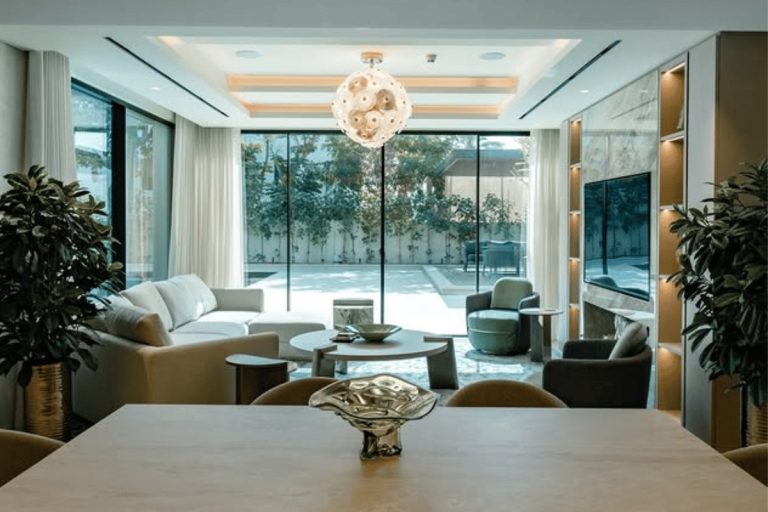
Natural light is one of the most powerful things a space can have, and most people only notice it when it is missing. A room that feels dim, enclosed, or disconnected from the outside does not always have a furniture problem or a colour problem. It has a glass problem. The facade glass window is where light enters, where views are framed, and where the relationship between inside and outside is either made or lost. At Al Fanous, we have seen what happens when this decision is made well. In a family living area we recently completed, the space feels open and easy from the moment you walk in. Light moves through it freely, the garden becomes part of the room, and nothing feels closed or heavy. That result did not happen by accident. It started with the right facade glass window.
What the Right Facade Glass Window Actually Changes
Most people think about windows in terms of what they keep out. Rain, wind, noise, heat. But a facade glass window is equally about what it lets in and how it shapes the experience of being inside a space.
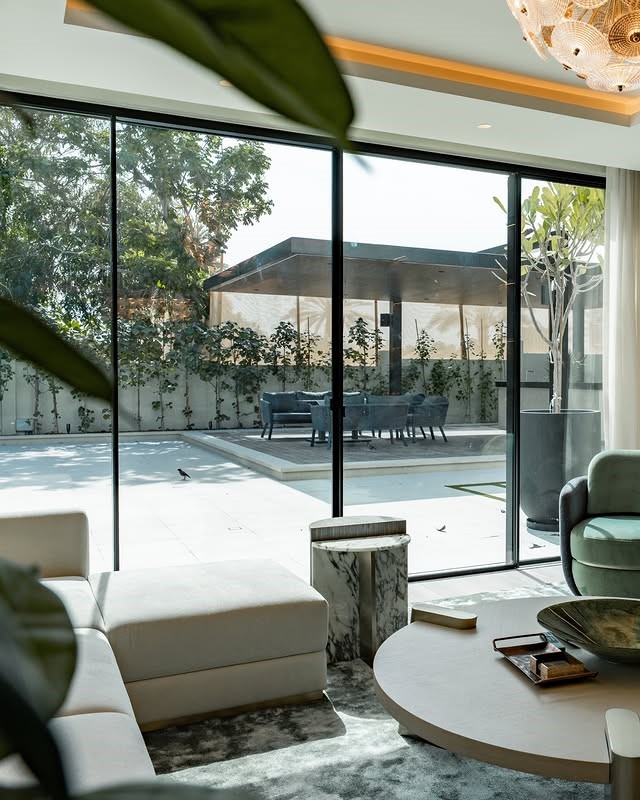
The size of the opening, the quality of the glass, the framing system, the way panels meet the floor and the ceiling, all of these details determine how natural light behaves inside a room. A facade glass window that runs full height allows light to reach deeper into the space. Slim framing profiles reduce visual interruption and keep the view clean. High-performance glazing manages heat and glare so that the benefits of large glass openings are felt without the discomfort that comes from the wrong specification.
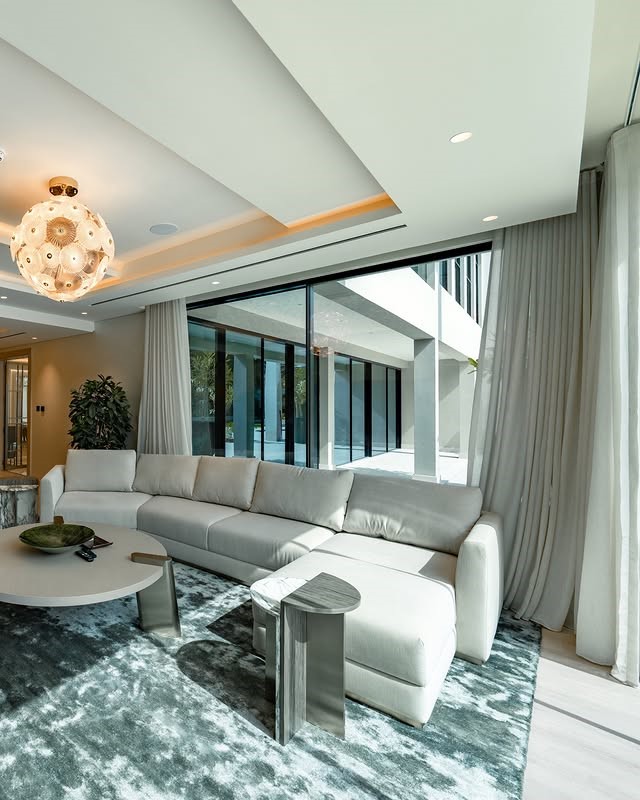
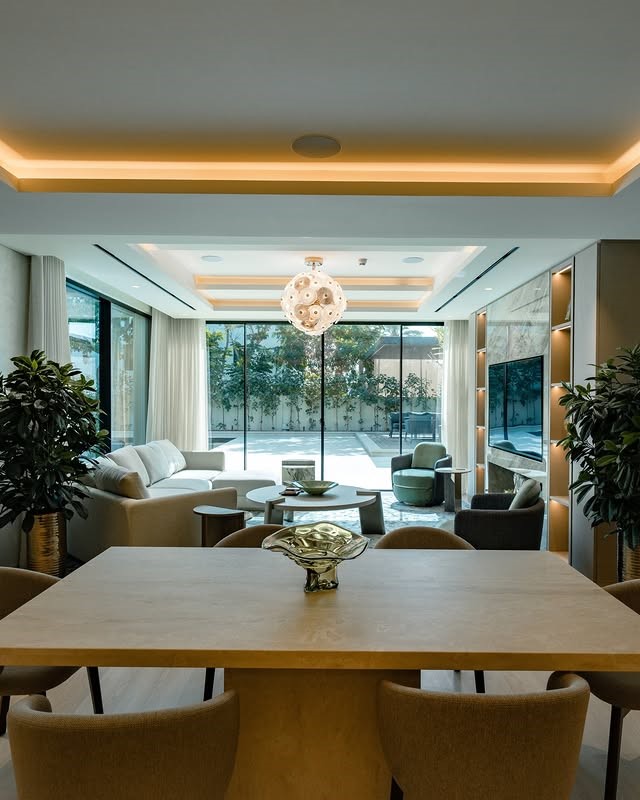
In the living area we completed, floor-to-ceiling glass panels face directly onto the garden and pool terrace. The room does not feel like it ends at the glass. It extends through it. The outdoor space becomes part of the interior experience, and the natural light that comes through the facade glass window shifts and changes throughout the day in a way that gives the room a quality of life that artificial lighting simply cannot replicate.
Light, Views, and the Way a Room Feels to Live In
There is a difference between a room that looks good in photographs and a room that feels good to spend time in every day. Natural light is one of the primary reasons that difference exists.
When a facade glass window is specified and positioned correctly, natural light fills a room from the right angles at the right times. Morning light is cooler and more energising. Afternoon light becomes warmer and softer. The room responds differently at different times of day, and that variation is what makes a space feel alive rather than static.
In the living area project, the neutral tones of the furnishings, the marble surfaces, and the layered textures throughout the room all respond to the natural light in a way they simply could not in a dimmer, more enclosed space. The light does not just illuminate. It enhances everything it touches. The room looks better, feels better, and is genuinely more comfortable to be in as a result.
This is the case for investing in the right facade glass window from the very beginning of a project rather than treating it as a secondary decision. The glass shapes the light, and the light shapes the entire experience of the space.
Why Getting It Right Requires More Than Just Big Glass
There is a common assumption that larger glass means better light, and while scale does matter, it is not the whole picture. A large facade glass window that faces the wrong direction, uses the wrong glass specification, or has bulky framing that interrupts the view can underperform against a more modest opening that has been thought through carefully.
Thermal performance is a genuine consideration in the UAE climate. Glass that admits too much solar heat gain makes spaces uncomfortable and drives up cooling costs. High-performance glazing with appropriate solar control coatings solves this by managing heat while still allowing natural light to pass through freely. The result is a space that feels bright and connected to the outside without the discomfort that comes from unmanaged heat or glare.
Acoustic performance is also worth considering, particularly in urban settings or busier communities where external noise is a factor. The right facade glass window can significantly reduce the amount of noise that enters a space, contributing to the calm, settled feeling that good residential design aims for.
At Al Fanous, every facade glass window specification we recommend is chosen with all of these factors in mind. The goal is always the same: glass that performs well technically, looks exceptional visually, and shapes the interior experience in the way the space deserves.
If you are planning a project and want to understand what the right facade glass window can do for your space, visit alfanous.ae to speak with our team.
